How to Choose a Business Coach + Red Flags to Avoid with Lacey Sites [Episode 156]
![Blog header image with the blog post title "How to Choose a Business Coach + Red Flags to Avoid with Lacey Sites [Episode 156]"](https://mollycahill.com/wp-content/uploads/2026/02/How-to-Choose-a-Business-Coach-Red-Flags-to-Avoid-with-Lacey-Sites-1024x512.png)
Subscribe on Your Favorite Podcast Player
Apple Podcast App | Spotify | Stitcher
Hiring a business coach can change the trajectory of your business.
It can also feel confusing, vulnerable, and high-stakes — especially in an industry that markets transformation loudly.
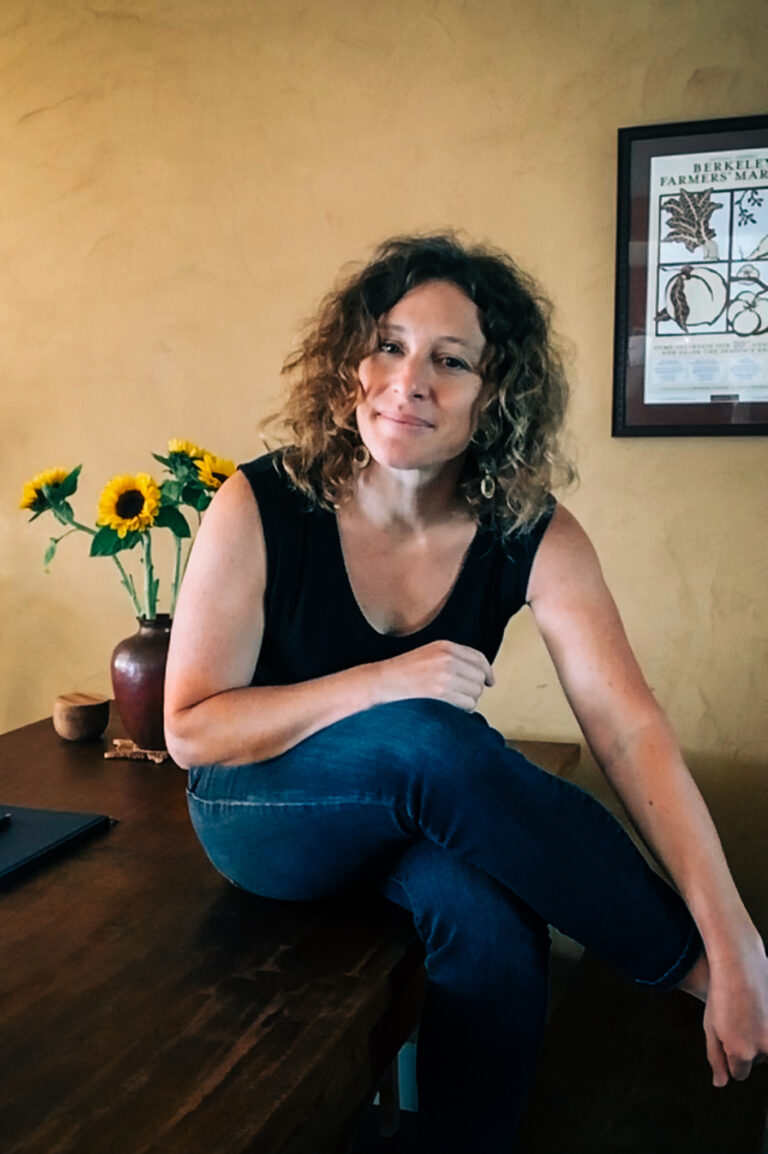
I invited my own coach, Lacey Sites, onto the podcast to talk through how to choose a business coach and the red flags to avoid. Lacey is a business mentor, host of the LITerally podcast, and someone who has built her 1:1 coaching business to seven figures per year. She blends deep strategy with emotional intelligence, and that combination is a big part of why I’ve trusted her with my own growth.
This conversation is not anti-coaching. It’s pro-discernment.
The Relationship Matters More Than the Tactics
One of the most powerful parts of our conversation was something Lacey pulled from her background in mental health counseling.
In therapy research, the strongest predictor of success isn’t the specific technique. It’s the quality of the relationship between the therapist and client.
Coaching is no different.
You can have the best strategy in the world, but if there isn’t trust, safety, and mutual respect, it won’t land. A coach who positions themselves as more of an expert in you than you are is a red flag. You want leadership — not hierarchy.
The right coach should help you access your own clarity, not override it.
Discernment Over Hype
We also talked openly about marketing inside the coaching industry.
Urgency isn’t automatically bad. Scarcity isn’t automatically manipulative. But when shame becomes the motivator, that’s a problem.
If someone implies that hesitation means you’re not serious enough… or that if you “really wanted it” you’d invest immediately… pause.
Empowerment doesn’t require pressure.
If you feel rushed into a decision that impacts your finances, nervous system, or business direction, that’s information. A strong coaching relationship can handle thoughtful consideration.
What Good Coaching Actually Looks Like
At its best, coaching is partnership.
We even talked about alternative structures, like revenue-share models, where both parties are invested in the outcome. That kind of structure changes the dynamic — it reinforces shared responsibility rather than one-sided authority.
We also unpacked the myth of “passive income.” In reality, building scalable offers often requires becoming a full-time marketer in ways people underestimate. Visibility, repetition, and consistency matter more than shortcuts.
Sustainable growth doesn’t require burnout, constant launching, or sacrificing your personal life. It requires alignment, data, discernment, and willingness to be seen.
Wrapping It Up
Choosing a business coach isn’t about finding the loudest voice in the room.
It’s about finding someone whose leadership expands you without disconnecting you from yourself.
If you’re considering investing in support, I hope this conversation gives you stronger questions to ask — and more confidence in your own judgment.
Discernment is a leadership skill.
Connect with Lacey
Connect with Molly
Instagram | Facebook | Youtube | Holistic Marketing Hub
The Holistic Marketing Simplified Podcast is brought to you by Holistic Marketing Hub, our hybrid program that supports you with personalized coaching, caption templates, and virtual classrooms. In this program, we teach health and wellness professionals how to fish, but also bait their hook!
Make sure you’ve hit that follow or subscribe button on your favorite podcast player to get notified each week as we air new episodes!
Episode Transcript
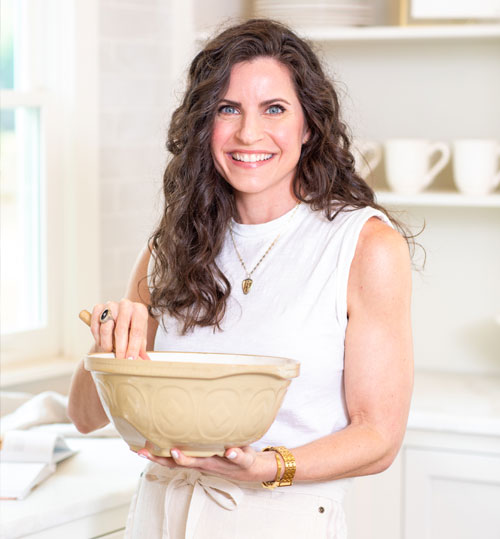
Molly: All right, y'all are about to get some free business coaching from my business coach. She's brilliant and she has an epicly long wait list and I feel very honored to have gotten to work with her for, it's been, whoa, like six months now. And I wanted her to come on the show because so often I get people into my program or just followers and like the types of questions that I get.
I can always be like, man, you need a business coach. Or some type of like mindset coach, which I know, like if you hear the word mindset and you roll your eyes and you immediately tune it out. 'cause I feel like it is like a pretty like overused fluff word and I get that. But today's episode, not only are, is she live coaching you through some like actual objections that I hear from a lot of you and like common issues that I hear from you.
A lot of you. Around visibility around like the inability to ask patients to, you know, follow you and reshare your stuff, like just little things like that. But we're also talking about how to find a good coach and some red flags to look for, as well as some green flags, some things to look for, um, in a good coach.
So I think like this might be one of my favorite episodes I've recorded in a really long time, and I can't wait for it to go live. So. Without further ado, I hope you enjoy this amazing episode with my business coach, Lacey Sights.
Hey, welcome to Holistic Marketing Simplified. This podcast boils down to the fact that we wholeheartedly believe that more humans need to know about holistic health solutions, and you didn't go to school to learn how to be a. Full-time content creator and show up on Instagram and do all of this marketing stuff all day, every day.
So let's come hanging out while we chat. All thank My name is Dr. Kimmy and I'm a pediatric and prenatal chiropractor in Virginia. And I listen to holistic marketing, simplified I get to more dream patients and clients. Yes, please.
All right, Lacey, I am so pumped to have you on my show. Like the Tides have turned like you've been interviewing me. Now, for those of you who don't know, I've talked about it on the show before, but like I've been being live coach bearing my freaking soul,
Lacey: literally,
Molly: literally on Lacey's podcast. Literally.
I'll tell Siri. Siri, Hey Siri. Play literally podcast. Like, I don't know why I pronounce it that way.
Lacey: I do too. Yeah, I absolutely do.
Molly: Yeah. So yeah, everyone, me, my amazing business coach, Lacey Sites,
Lacey: I'm so happy to be here. Thank you for having me.
Molly: Um, we didn't plan it this way, but it just worked out with the timing that we literally just jumped off my very last episode.
Like 45 minutes ago. So, yeah,
Lacey: I know. It's pretty weird in a sense. Like, I mean obviously like, you know, we'll still continue, but it is weird to be like bringing that to a close, you know? Mm-hmm.
Molly: Yeah. So just for context, Lacey's been coaching me live on her podcast for, it'll be 20 episodes, right? How many episode anyway?
Lacey: There was seven. Yeah, there was 17 of like you and I coaching and then there's like an intro. Okay. One and then a wrap up one. So yeah, 17.
Molly: Um, yeah, so it's just really cool thing she does where it's like, you know, an inside look, a one season of her podcast, of her live coaching someone. So I was so fortunate to apply for that and get chosen for that spot, and I just have not taken it for granted.
Ever. Like, I'm so grateful for this opportunity. It's been amazing. And of course I'm continuing on even though the podcast is wrapped up. So tell us a little bit about you.
Lacey: Yeah, so I, um, I'm a business coach. I have been in business for a decade now, which is wild to say. My background is that I have a master's in mental health counseling and I also have my MBA.
So I try to bring those two things together. In coaching in terms of like really understanding like the person, their mindset, everything that's going on behind the scenes, but also like the business and the strategy. I really believe like when we put those things together is when we're gonna have the best results in our business.
I think so often we lean way, way more into one versus the other, and I think the mix is usually the magic. I have a one-on-one business model, so I, um, for pretty much most of that decade, all I've done is one-on-one coaching that just happens to be my jam. It is not right for everyone, but it's definitely right for me.
I just love going deep. I love being in partnership with my clients and just love doing this work.
Molly: Yeah, absolutely. And I do have a therapist, but it's funny 'cause there would be, so many times I'd hop off the podcast, I'd be like, oh my gosh, I hope she didn't think I was like trying to treat her like my therapist.
Lacey: Listen, it all blends it
Molly: die in in your contract. I know. It's like this is not therapy, but I'm like, is it not? Like, I know you have to say that for like legal reasons. No, I'm just kidding. Yeah, but it's, that's why like, I feel like you're such a gifted coach. So if you haven't tuned in, please do. Because.
You know, what you think you're gonna be getting is me just being like, how do I optimize this sales page? Or how do I, and whether it is some of that, but it's so much more of like, Hey, do you realize how big of a business you have? Oh, you don't. Hey, do you realize this thing you're making a problem in your business is not actually a, a problem?
Oh, no, I didn't, I was making it a problem. Yes. And just always making yourself wrong, which I know is my theme of the season, but I know I'm not unique in that.
Lacey: Oh my God. No, it's, it's so programmed into us as women, I think.
Molly: Mm-hmm. Just to be like, oh, what we're doing must be the wrong thing. Rather than just being like, this is how it's, yeah, yeah.
Lacey: How could I like, make this right, is like not what we're taught to ask ourselves, you know, it's just not
Molly: so, there's so many places I wanna take this, but let's just kind of start out with, I feel like so many people I work with have never worked with a coach. Like almost any time I post about coaching.
On my dms, people will be like, God, where do we even find a coach? Because, you know, I work with a lot of brick and mortar mm-hmm. Facilities. And I will say there are no shortage of coaching groups in the space, um, especially in chiropractic. Like there's no shortage of like masterminds, coaching groups, all of that kind of stuff.
But maybe just talk a little bit more about what it looks like to have like a coach one-on-one and how they don't necessarily have to be. Like they don't have to just be a chiropractic business coach or something like that.
Lacey: Yeah. I think there's always such interesting conversation about like, should you hire somebody that's like just in your niche and that just knows those exact things and those tend to be like much larger groups and programs like you're talking about, or like, should you get one-on-one support?
Obviously I do one-on-one, but I don't think that's like exclusively the, the right move. I think it's really based on what you need. I feel like a lot of the things you were pointing out in that came up for you in our season were not about your niche at all. Like you're so clear on your niche. There's nothing like.
Really specific there. It's like way more about like who you are as a CEO, the leadership, the mindset stuff. Getting used to how you're operating your team, like what scaling looks like for you while honoring your life. Like so many of those things I think are actually what people really need, but we feel weird asking for that or we feel weird naming that.
And so we end up in these programs that are like, here's how to scale your. Clinic to X or whatever and like sure, that might be really helpful information, but sometimes it's just so not personalized to you and your situation and your details that it's really just adding so much more to your plate. And I think ultimately great coaching should be like lightning your load.
Molly: I am like speechless at that. 'cause I'm like, yes, yes. It's like are there tried and true best practices for clinics to scale? Like absolutely. And I do think there's something to be said for people like, well, that won't work for me. Like, you know, there are a lot of excuses that can happen, but at the same time, like what I found so fascinating about art, not really fascinating, but like, 'cause I, I just knew this about you going into it, but it was so much more about like how I was doing personally because you are your business.
So do you kind of wanna talk about that misconception? Like Yeah, I don't wanna say like it's bad coaching 'cause I never wanna say that, but like. Maybe just like know what you're getting into. Like are you getting into something with a coach who. I think it, you have to work on yourself first before you can work on what's going on in your business.
Lacey: You just have to know like what solves the right problem for you? And for so many people, it's not lack of knowledge or even a total lack of like, oh, what should I do next? It's maybe like they have too many options or there are too overwhelmed, or they have these mindset blocks that tell them it won't work for 'em, like you're saying.
Right. Like. It's so much more rarely that they just truly have absolutely no idea. You know what I mean? It's like all the pieces around it. Something that I remember saying to you that you said really resonated, so I'll share it here, is I think that sometimes it's hard to think of yourself as an asset in the business.
Molly: Oh yeah.
Lacey: But if you compare yourself to like a trucking company and you're like, cool, what is the most important asset in that business? It's the trucks. Right? Mm-hmm. So you're gonna take care of those trucks in a certain way. You are going to make sure, like they're kept up, they have regular maintenance, like all of these things.
You're not gonna like put 'em out on the road for as long as you can do Absolutely. No maintenance and then like expect them to perform well. Right. I think we're so similar when we run businesses that are service based, like we are the asset. But we treat ourselves like we're not. So we so rarely get support for us and who we are and how we show up.
I think we so rarely give ourselves permission to do that. But if you take, again, any other business like that has like a product or something like that, it is so obvious that you would never treat your product like that.
Molly: That, and so a couple follow ups with that, but I'll give you a little context where this came from.
So I was telling her, because I work from home, there's sometimes where I'm like so torn of like, oh my God, my house is an absolute wreck and I can't focus on work until I get my house cleaned up. And then if I cleaned my house, I was like, Molly, why weren't you sitting down and working? And I was making myself wrong.
But if I had sat down to work, I would've been like, why didn't you clean up the house? Mm-hmm.
Lacey: Yes.
Molly: And your answer was so wise, you were like. Well, you're the biggest asset in your business, so if you can't focus because your house is a mess, then the right move was to clean and, and you're like, obviously there's nuance.
Like you're not gonna like, gotta cancel this client call, I gotta go clean, you know? But like, if it was possible and I was like, oh. And I remember you saying sometimes you're like, sometimes I just need a break and I read my Kindle.
Lacey: Mm-hmm. Oh my gosh. Totally. Mm-hmm.
Molly: So, I dunno if you wanna more about, yeah, yeah.
I dunno if you wanna talk anymore about that.
Lacey: No, I mean, I think the important part there is just like, that's where an outside perspective can be so helpful because you could have gone round and round in your brain about that forever of like, uh, is it really better to clean? Is it not da? And like, again, it's not like something unknowable, it's just something that's hard to give ourselves.
Accurate reflection and permission around. And I think that's where great support comes in is like to be a true, accurate reflection, a real mirror. And then also like give permission of like, yeah, I actually think that was the right move. And I think as business owners we really under. Value how much that moves us forward is someone just being like, yeah, you're getting it right.
Especially when we're making 500 freaking decisions a day. Yeah. You know, like it really can make a big difference.
Molly: So I have actually left clinician, I don't wanna say clinicians, practitioners, whatever before who didn't take care of themselves because I'm like. Like, okay, let's take a chiropractor for example.
I had one, this was not currently who I go to, but um, this was a couple states ago. I've lived in many places. They didn't get adjusted themselves 'cause they're like, I'm just so busy. I just, oh, I'm so busy. I don't have, I'm like, why would I want you to be the person taking care of me? And I hope that kind of like shakes something loose in you.
If you're one of those people who are like, ooh. Like, why would you expect that? Why would you expect your patients to continue showing up in their busy lives if you can't do it for yourself? Mm-hmm. And that's just one example. Like I have had other practitioners I've worked with who are just so stressed and you can tell, and I'm not saying like, you're not allowed to be stressed or have a life like that's, you're not like, I think that can be its own trap of feeling like, oh, I'm a wellness person, so I have to be perfectly healthy all the time.
Yeah. That's not what I mean, but like. If you're not taking care of yourself, like I have a hard time trusting you with my health.
Lacey: I think that's right. Like I, same with business, right? It's not like you have to have the same business as the person that you're hiring, but like if you're like, wow, I don't like have any resonance with how they show up in business or how they take care of their business, like that is gonna feel like a disconnect.
Molly: Yeah. And so I think kind of just to sum up what we're saying is a lot of, a lot of coaching is. The unsexy like mindset has been, that word has been used ad nauseum. But still, if you don't work on that stuff, I don't care how great your SOPs are, I don't care how great of an adjuster you are or acupuncturist you are, or whatever, it doesn't matter.
Like it all boils down.
Lacey: I remember one time reading this example that has stayed with me for so long that was like if you lined up a hundred business owners. That say like had hit a certain level, whatever, like a, you lined up a hundred business owners that had hit over a million dollars in a year. They would all have different strategies that they used to get there, but if you lined up a hundred business owners, they would all have a similar mindset that said like they could do that and that they trusted themselves and certain pieces of that would be in place.
And so it's like, yeah, we can like iterate on the strategy all the time, but like if you really get that first piece right, the rest tends to work itself out
Molly: a hundred percent. And I see that in my program all the time 'cause right, I have such a limited view. Like I'm just helping people with their Instagram, which is obviously one small part of the full thing.
And there are so many times I wanna be like, Hey, let me give you your money back. Go hire a coach and then come back to me because. You aren't even ready in your mind, this won't work for me, or I'm this, or I have this thing, or My kitchen isn't pretty. I'm like, what? Like I've heard it all. I'm like, whatcha even saying, which actually leads me into a perfect thing.
I'd love, this would be like live coaching with Lacey right here. This is what we talked about. But one of the strategies that I always teach people is like, I call out like one of my scrappy methods. I'm like, Hey, you've got to get your current patients or clients. Interacting with your Instagram page.
Mm-hmm. And one of the ways to do that is just to straight up ask them. Just like you would ask for a Google review and just say, Hey Lacey, while you're checking out and getting you scheduled, would you mind reposting some of our Instagram posts? And obviously you're not gonna do this with every single person.
Like, you know, the people who you can ask. And a, sometimes I met with like, oh, isn't that that kind of awkward? And I'm like, man, if that's awkward, I think you need some coaching. I think you need a coach.
Lacey: I have so many thoughts on that. I think that, um, I think that so often we come from our angle of like, what we're really saying is it feels awkward for me to ask something of someone, but if we come from their angle, like I personally love to be told with clarity how I can support someone.
I hate feeling like I have to guess. Like I remember a, a practitioner that helped me a lot. Perfect example. I was like, do I send her flowers? Does she care? Do I like, what would actually like conve? Do I write a card? You know what I mean? Like, if she would've said to me like, Hey, if you could just repost three of our things, I would've been like, girl, I am on that.
Like, yeah,
Molly: I'll do 10.
Lacey: Yeah. Like, you want three, I'll give you 30. Like whatever you need. Right. And so I think that that's why, and what you said is so true. It comes back to sort of like more of the internal stuff of like, there's always so much deeper there. I mean, I'm, I'm a. Used to work as a therapist at today.
So we're gonna take a detour for a second. Sorry guys. But like there's so much hidden layers underneath that, like that's like, who else don't you think you can ask for support? Who made you feel bad asking for something you needed? Who has shamed you for shining and for like asking to be more visible, like there's so much underneath that.
That has so little to do with like, it's weird to ask a patient that at the counter and way more to do with like, what are all these like past experiences and conditioning that I have that are keeping me stuck and like that's what this work kind of, you know, shakes loose.
Molly: Yeah. And even from just a, even if none of that was true, which it always is, but let's just say.
People inherently want to help. Like it makes us feel
Lacey: good. Absolutely.
Molly: You know, so if we're like, yeah, like I would, I would be happy to do that. So yeah, that's something I just, I, I find really interesting,
Lacey: especially something so simple like,
Molly: yeah.
Lacey: Hey, like a few of our things or reshare it or whatever, like I could take out my phone and do it right then.
It's not like I have to go home and I have to write myself a note and I have to think about it and I like, I think that we really love these simple ways to support other people, especially in a world that is so full and so busy, and that's like the perfect example.
Molly: I also get a lot of. I've had a couple questions.
It's like a patient's following me, like, but do I follow them back? Is that weird if I follow them back? And I'm like, what? Like that would never, even if I went and followed my chiropractor, obviously, which I do, or my acupuncturist or my massage therapist, whatever, and then they followed me back. Not once in my brain would I be like, weird, I'm following you.
Like, I like what? So do you think that's kinda like a similar,
Lacey: I think that sometimes like. We, this is my perception just as a whole in the online kind of interaction space, is that we treat the online space as though it has different rules from just being a normal human,
Molly: yo, my gosh. Yes.
Lacey: Right? Like, we're like, oh, that's something totally different.
And I don't know the rules of the game there. And like you talk about this so often, Molly is like, the rules of the game are like, be a human right. And like if you play by that rule, it's really good. And so it's sort of like if you support someone and they support you back, or if you're curious about someone and they're curious about you back, like those are just like human 1 0 1.
Like that feels good. But I think where we get so stuck is thinking there's like this whole different set of rules over there that we somehow don't know or aren't following. And again, that is what comes back to that. All that mindset should of like, oh, I just don't know. And I'm not sure. And I like, right.
Instead of just being like, oh no, like, I'm just a human. That, you know, that tracks for me.
Molly: Gosh, I, yeah. That's amazing. I love that. The other, like, I would say biggest limiting belief that I see often is, and I talked about you with this, like, I always get, I'm not good at technology. Um, or I get like, oh, I feel so awkward to show up on camera.
I mean, I have my own thoughts around that, but my first about the, um, feels so awkward to show up on camera of like, well, of course it does. If you've never done it before. But also it's 2026 and it's not like you're the pioneer of content marketing. No one's, no one's. Like, did you see Lacey like put a video of herself on the internet?
Like no one's, you know what I mean? Like, it's such a, it's as common as
Lacey: like we're doing it now.
Molly: Yeah. Yeah. Like it, and if someone did say that like. F 'em. Like who care? Oh, I have explicit on mine, but it will, I'll like, who? C. You know what I mean? So anyway, I don't know. Have you had coached many clients with visibility issues with showing up on camera?
Oh,
Lacey: yeah.
Molly: Oh, I would say I, I
Lacey: mean, I had it like,
Molly: did you? Oh, see, I never really did. Totally. It's hard for me to coach around. I actually started broadcast journalism as my first major. Mm-hmm. Yeah. And then I learned that they make like. Peanuts and they work awful hours. And I was like, no thanks. So I actually auditioned to be Kelly Ripper's co-host for a day.
I'll, I'll have to resurrect that video from YouTube. It's like way it's there, it lives there. So it's hard for me to coach around 'cause it's just never something I've really,
Lacey: that makes sense.
Molly: Struggled with. So, okay. This is great.
Lacey: Again, I would name like, this is where coaching comes, comes into play.
'cause I think like the story that our brains will tell us is like, if something feels uncomfortable, it's bad, or we shouldn't do it.
Molly: Mm-hmm.
Lacey: And really it's like most of the things we're doing are going to feel uncomfortable if we're like really showing up for our business, right? It's gonna be putting ourself out there.
It's me asking for someone to support us. It's gonna be like these things that like maybe just don't come naturally to us. And so I remember that was really tough for me when I first started. Like, um, and I was also just like objectively kind of bad at it because I hadn't had practice. Like I remember like the first video I ever created, like, I mean, I was just flat as a pancake.
There was like no affect. There was no personality there. It. It looked like I was reading from a script, but like I couldn't actually read the script very well, like it was very, very bad. And what I really did for myself around that, I think this sounds so cheesy and it's the things we won't give ourselves, but I was just like, I have to train myself into feeling like this is a positive experience.
I think sometimes we forget that our brains and our bodies are like a little bit Pavlov's dog ish. Like they just need repetition and training. And so what I would do is I would do these videos and then I would take a bubble bath after them almost every time. To like relax my body and be like, this is good.
You get a co, like you get a beautiful experience after this all is well, nothing is wrong. You are safe, right? Like now I could do it and not even think twice about it, but it took just a little bit of being like, cool, how do I give myself. A really beautiful like experience around this. So my body and brain learn it's safe instead of fighting me so hard on it.
You know? I think that's the work that most of us don't feel like we have time to do or won't do for ourselves. And I mean, honestly, it doesn't have to be a bubble bath. Like it could be whatever, you know, gives you that like safe. Supported cozy kind of feeling. Yeah. But like it, that matters for our body and our nervous system to be able to have positive association with these things that feel so challenging.
And I think it's really helpful to be willing to give it to yourself
Molly: to have your front desk throw a Reese cup at you. Alright, here you go. Here's your treat.
Lacey: Yes. Like literally if you do three of these videos today, you get to go out to lunch with your best friend. Or like, it could literally be any. You know?
Mm-hmm.
Molly: Yeah. And also too, I think I got, I can't remember how many reels I like got the award, like you've created 600 reels. So like of course it feels easy for me now because I've done it so many times. Like think back to when you were in school, like the first time you were learning to do different techniques and stuff, you were probably like, oh my God, I will never understand where to put these needles.
Like this is so cra like, you know what I mean? You're like, I'll never. Memorize all these damn muscles, like this is cra and then now you're like, oh yeah. Like I don't even need to know 'cause I just so intuitively can feel and know exactly what's happening with my patient or client and it just becomes second nature.
Lacey: Yes, it is exactly the same. Like you just have to do it enough to like feel that ease and safety in it and you have to do whatever you need to do to get yourself to do it enough. Right. Whether it's a Reese's Cup or a bubble bath or like anything like it's like. That really is the stuff that we have to work through.
Molly: I always say, if you wanna just pretend like you're FaceTiming me, you can.
Lacey: Yeah.
Molly: I had one client who I used to do Instagram lives with her. 'cause that was the only way I could get her to give me good video and now I would just kind You did
Lacey: that?
Molly: Yeah. And I would just like download the recording and edit it.
And so yeah, I was just like, well, 'cause otherwise she was like very, you know, like, uh, so, but when she was like having a conversation, she was just so natural. So let's pivot a little bit now that they've gotten some really good coaching from you. So you obviously are, you have a very big wait list to work with one-on-one.
Um, so we can talk about how people can work with you. But I'd love just to hear like. How, if someone's never had a coach, like what would you say? Like how would you coach them to find a coach? Like what? To know what to look for? Red flags. Green flags.
Lacey: I think like, there's a few things I would say. Like the first one is I think that you really have to know what problem you most want to solve because very, very obviously, but not always.
So obviously like you really want to sign up with a coach who. Solves that. I think that sometimes it's easy to get swept up in the like, Ooh, this coach does whatever, insert thing, funnels or whatever. Like, I don't, I didn't know I needed that, but maybe I do and I'll hire them. And that can be like where you often end up walking away feeling like, oh, that I didn't really like get what I wanted out of that because like you didn't even have that problem to begin with.
So. That's a starting point. If you don't know what that is and you can't figure that out, like hire a coach on like a short term basis, like do an intensive with them and be like, Hey, I actually just need to even figure out what problem to solve in my business before I'm like ready to take another step.
Are you willing to help me with that? Um, the right person is definitely willing to help you with that. Um, and then the other thing I would say is like, I really believe values alignment is so, so important. There is really, really, really good. Research in the therapeutic world, that therapist client relationship is the most indicative of outcomes.
Molly: Wow.
Lacey: Not tool, not type of therapy, not intervention use, like it is literally therapist client relationship that is going to most predict like positive outcomes. So I think the same is true with coaching. Like and what creates positive relationships. That's usually alignment, shared values, things like that.
If you work with a coach who you do not have shared values with, you're gonna feel like almost everything's a rub. Just like if you're in a partnership where with someone that you don't have shared values with, it just like all feels crunchy, right? Mm-hmm. But if you're in a relat or in a coaching relationship with someone where you're like, oh, there's a lot of alignment that here, there's shared values.
I respect how they show up. I like them as a person. Like those things go such a long way because your relationship is going to be. One of, if not the most important things, propping up your results.
Molly: I love that. Um, any like big red flags that you would kind of be like, Ooh,
Lacey: yes, A lot of them. No kidding. Um,
Molly: I knew you'd laugh.
Lacey: I think the biggest red flag for me is always when the coach is positioning themselves as though they are more of an expert in you than you. I remember like this was a therapy situation, but I remember I went to a new therapist and in the first. Session. She basically was like, you're this, you're that, you're this.
And like, just giving me very direct reflections and like pretty like broad scale things. Like, oh, you're just like totally a people pleaser. And I'm like, uh, I actually don't totally resonate with that. I think I have some of this and I have some of this, but, and she's like, no, no, no. This is who you are.
You're just a people pleaser. And I was just like, oh, like I just felt like walking out of that session, my power was kind of taken from me. And I think if, if a coach makes you feel like that, where if they're like, I know you better than you, or like, I hold the power and I'm right. Or if it feels like we're not just like two people working together where it feels like you're supposed to put them on a pedestal, like all of that is a huge red flag for me because they're really gonna be more concerned with their ego and being right.
Then they're gonna be with you and your business. And honestly, sometimes as a coach, we also get it wrong or we misunderstand and we have to be willing to say that. And if you don't have someone that's willing to say that, it's always gonna feel pretty icky.
Molly: What about, I see a lot around, like, I kind of hate the language of like, either invest in yourself now, or you'll always, you know what I'm saying?
Like it's
Lacey: like threatening almost,
Molly: you mean? Yeah, like almost downplaying that people do have real like. Is financial commitment an excuse? Sometimes It's not really the real,
Lacey: yeah, like it's just like a very real experience. Yeah. But like sometimes you can't
Molly: Objection. What
Lacey: Objection. Okay. Sorry. Sorry. I get what you're saying.
Yes.
Molly: I'm like, like what's the, oh my gosh. Brain. Yes. Like I like sometimes that's not actually the objection, right? Um, but sometimes it actually is and I feel like there's some people who don't honor that.
Lacey: I think to me, like, to be very clear, an objection is like, I want this and I can do this. Even if it's stretchy.
It's like, I want this and I can do this, and I'm, and I have a reason I'm telling myself I can't, where what you are talking about is like, I want this, but I like practically cannot possibly do this. Like, that's not an objection. Right. Like that and anyone saying that it is is, is just like not understanding like what is really happening there.
But I think on that front. That to me still still falls under the, they think they're more an expert in your life than you are, right? So when you're like, I just cannot financially make this work at all right now, and they're like, yes, you can, da, da da. It's like, again, we're just like trampling someone's own knowledge and empowerment and, you know, like clarity on their own life.
And I, I really think that that's always a very, um, scary place to be. The other red flag I would say on that front, which I think is kinda what you're getting at, is like I come across people sometimes where it's like they're just shaming everyone in their content. That's a red flag. Because if they're willing to do that publicly in content, they're definitely gonna do it on a call.
So like anything that comes with that edge of like shame, blame, guilt, I think is always a red flag.
Molly: Yeah, I completely agree. That's why I actually love so much what, how you do actually, if you wanna talk about the partnership model a little bit. That's why I love how you do your pricing because. I mean, I know there was a time period, I don't know if this is still as prevalent, where like people were taking out financing to work with coaches and stuff, and I'm not always saying that that's, I mean, I think there could be times where that does work out in your favor.
If you look at it like, okay, I am opening a business, I'm opening a restaurant. I, I have to buy 50 tables and I'm gonna Right. Finance that. So I'm not saying that's inherently always a bad thing, and I feel like I don't see that as much anymore. But I love how you do the partnership model of like, your base rate is so reasonable.
Like I am like, oh wow. Okay. But then you do the 10%, um, revenue share. So let's talk about that a little bit.
Lacey: Yeah, it's interesting. I think like there's always like a lot of feedback around that. Like people are either like, I love that or I hate that, and like, either way, that's okay. But basically what I do is I have a very low base rate and then 10% of new revenue generated through our work together on top of it, because I want a client to, I mean.
Well, lemme just say the base waiver because I need to be able to like pay my bills and like, no, I can pay my team. Right? Yeah. Like that has to happen. But equally, I want a client to feel like I'm in it with them. Like, if you win, I win. But if you're in a challenging period, like I'm in it with you. I'm not just kind of like sitting on my pedestal being like, oh, that must be hard.
I don't know. You know, like I'm like heavily incentivized to like help them figure it out. Um. I did that because it just aligns most to like the way I work. Like I get pretty deep in my client's businesses. I'll really try to understand it from the inside out. I'll review anything you send me. Like I felt like I was giving a level of true partnership and not just coaching, and so that's why I do it that way.
I don't think that's like right for everyone, but equally, I think again to the front of like what can make a good coach? I think for some people, like where it really feels good is when it feels like someone's in it with them, like. They're putting their money where their mouth is. Your wins are their wins, but your losses are their losses too.
And so that's just always how I've like felt the most comfortable working is to be like that invested. Again. I don't think it's right for everyone, but for me it has really produced like the best relat. And the best clients.
Molly: Yeah, I, I mean, I personally was really drawn to it because I'm like, yeah, she's skin in the game.
Like we get to celebrate together when I'm like, Ooh, month one, our revenue share was only this, and now like month six, our revenue share. It's like, it's, it's fun to grow together. Okay, let's talk about finding a coach. 'cause I know I get that question a lot. Like the practical, like Molly, I always get, um, who was it?
Like, where do you find these people who asked me that? I can't remember. Like, you always find the best people. I'm like Instagram usually, but I mean referrals. You know, like, you like I had met Sarah and then I, Sarah, well, you know what's funny? I don't think I ever told you this story. I was riding with Sarah somewhere.
In Savannah, that retreat. Sarah Wiles is Lacey's College. Busty? Yeah.
Lacey: Mm-hmm.
Molly: Is that right? Okay. And so she was telling me her origin story. She's like, yeah, my college bus, like I wanted to quit my job. And then she was a business coach and she was like feeding me. I was like, oh man, she sounds awesome. Like no idea it was you for like maybe a.
Forever, like a long time. And then I realized it was you and then you know, our, my friend Keely was like, oh my gosh, I just hired Lacey for this intensive and I'll never forget. She goes, she was like doing math like on the call.
Lacey: That's so funny. She had a calculator out in shit
Molly: doing math on the call. So, like I said, that's kind of how I
Lacey: Yep.
Molly: Feel blessed to have found my way to you. But, um, I feel like that's kind of how it works. But if, if someone's like searching, how would you
Lacey: Yeah, I mean, I think like to your point, there's obviously something really valuable about kind of having some type of referral process there. I mean, it doesn't have to be like, oh, I, you know, worked with them and whatever, but even just like, oh, I know them, or like they're a solid person, I think goes a long way.
But I will say like. I know it's easy to get caught up in the marketing buzz of everything. If you search business coach, like Molly always says, like, Instagram's gonna flood you and you're gonna get a feel for people like, quite quickly. Like, read some of their posts, watch their stories. Like how does, how does that feel in your body?
Like, and also remember that shame can be activating, but it doesn't mean that that's a good thing. You know? I think sometimes we're like, Ooh, that person activates me. It's like, oh yeah. 'cause they're like making you feel really bad. Like that's. Right. But if you like, can consistently consume someone's content and be like, I just feel good after listening to their stuff.
Or like, wow, I just feel like I'm learning things I didn't know, or I feel like they really get me. Like that is the best way to do it, in my opinion, is to like really be a consumer of theirs before you get too drawn into. All of the other pieces that sell you, um, you know, all of the like, marketing, like, oh, you need this, but it's just like, how does this person make me feel?
Like, how, what is their vibe? You know?
Molly: Yeah. I'll say like, just as somebody who's recently been like a. Looking around on Instagram to hire like different people. You can almost immediately be like, oh, this is not the right fit. Like,
Lacey: yes, you really can. I agree with that. Mm-hmm.
Molly: Yeah. And so well that, I didn't even mean to tie this back to what I do.
This is why I'm so passionate about like showing your face on your clinic's Instagram page. 'cause it's like that so many times can be the deciding factor for someone. They could be like. Oh, like I think about the holistic health world. It's like, you're not crunchy enough for me. You're holding a diet Coke, like you're not my chiropractor.
And then there's gonna be other people who are like, oh my God, thank God she's holding a diet Coke. She can definitely be my chiropractor because I feel like she, yes. You know what I mean? And that, and that's, both are good. Both are good. Both are, you want both. You want someone to be like, no. And then you want someone to be like, yes, you're my person.
Lacey: It's so true. I think that, um, what I really notice with that too is like. That also gets you the best fit clients. You know, I think that's something we don't always talk about enough too, where it's like not only does that like attract someone to you, but it like gets you the right fit clients. Like so Molly being on my podcast and me coaching live, I get the best fit clients, people all the time are like, how do you have these clients?
Like how are they all so different but have such similar values and dah dah. And I'm like, that's why, because I show. Myself and my values so much that like you're either gonna like listen to some of those episodes of literally and be like, man, this is my person. Or you're gonna be like, absolutely not.
And either way I win. You know? Mm-hmm. Yeah. Gosh.
Molly: Either way I win. I love
Lacey: that. Yeah, so I think that, I think you're spot on. And honestly, another thing that comes up for me when you say that, I was actually having this conversation with a group of my girlfriends recently, and they were talking about like where they found and how they hired their therapists.
And what stuck out to me so much was Instagram was like the thing, like they were like, oh, well I saw a reel and I really like, liked what she was talking about and da da da. Or like another friend was like, oh yeah, well someone recommended me like five and I just loved this one's Instagram and what she was saying.
And I was like, wow, this is wild. Like it did not used to be like that, but like pretty much every single person that we were talking about this in a group with. Had some decision factor that circled back to Instagram.
Molly: Mm, that's good. I did not tell her to say that.
Lacey: No, I actually didn't even think to tell you that though.
I should have. Yeah, like isn't that wild?
Molly: Yeah. I've been searching for a new therapist. Not 'cause I don't like mine, but it's because I'm tired of like, I would like to go in person just 'cause I'm at home so much. And this is why it's also important to have your name line optimized. 'cause I have like been coming up short on it.
And a lot of people I find even in Cincinnati when I Googled their website, say Telehealth only. I'm like, damn it,
Lacey: can I
Molly: come to
Lacey: your house?
Molly: Yeah. Can you, can you just see me in person win wink. Like I'll tell anybody. There's one more thing I wanna talk about before we jump off and like, I might make some people mad with this.
Oh, tell
Lacey: me.
Molly: Mm-hmm. But so many of, I feel like it, this has died down a lot in 2020. It was like really big and it was step away from patient care. You create this online passive product and now you've got passive income. And I'm going to Bali and I'm, you know. What I found was time and time and time and time again, this is why I created those pick my brain calls these brilliant practitioners with these huge practices.
They're seeing 200 patients a week would get on a call with me and they'd be like, Molly. Like, I don't know. I just can't seem to, like, my course isn't selling and I'm like, well what are you doing to market it? Well, nothing, because I'm like, they're talking about funnels and email marketing and landing pages.
I'm like, well wait, do you have a va? They're like, what's a va? And I'm like, oh my God. Like on one hand, I just wanna say I'm not poo-pooing wanting to step away from patient care. Yeah. Like it's a hundred percent doable to have a more, um. Online revenue stream. But I think calling it passive is a misnomer.
Um, even though you don't have to be the one, like one-on-one physically touching the patient, and I'm not saying it can't be done, but I personally don't see a world where you can see 200 patients a week, be a family person, and then also somehow create this online course by yourself without any type of assistance in it magically.
Creates you a million dollars a year.
Lacey: Oh great. Like you shouldn't have saved this one to the end. 'cause I got a lot to say. No, I'm
Molly: kidding. Oh no, we got time go. Yeah, it's fine. And I don't think that's a limiting belief. I'm putting that in quotes. I think that's just. Reality.
Lacey: Mm. It's interesting. I think like I have a pretty unique perspective on this because I have done one-on-one the whole time pretty much that I've been in business minus like a dibble and a dabble here or there.
Right. But, um, I have also had clients, like, I have several clients that have million dollar courses that make a million dollars a year plus off of a single course, and I think. I say that to say like, I know all the inner workings of that. Like if I wanted to do that, I could do that, and I've always chosen not to, and I'm not saying it's right or wrong.
What I really think it comes down to is like, what do you want to spend your days doing? It's not massive to have a very successful course, like you are a full-time marketer. And some of my clients absolutely thrive being full-time marketers. I am. I love watching them. Like they are fucking incredible at it.
Like there is nothing wrong with that, but they are full-time marketers. Like let's not mistake that. Where for me, like I don't mind marketing like I market, but like if I was picking like, what do I want to do in my day? I want 80% of my day to be with clients, and then I'll market like 20% of it. And so I've always say to one-on-one coach, because I'm like, I just don't wanna be a full-time marketer.
I wanna be a full-time coach. Mm-hmm. So I think for chiropractors, that's like the question to a certain extent is like, would you wanna transition into being a full-time marketer? If you do, that might be a really good route for you. If you love patient care and you're just looking to pull back on it a little bit, that's gonna be a really, really tough route because it's going to demand more from you than that to really sell it.
And you're not really gonna experience the benefit then because you're still in patient care. So I, I think it's just one of those things that's really hard to like half do. Mm-hmm.
Molly: Yeah.
Lacey: Um, which is why you were talking about stuff like a VA and all of that. Like, you, you have to get pretty invested in this is the thing you're gonna build.
So. Absolutely build it. If that feels good to you. There's nothing wrong with that business model, but it, it's still a full-time business.
Molly: Well that's, I mean, listening back to the podcast of my, uh, my season was my constant pull of, I feel like I have two businesses. 'cause I the agency and I've got the hub and it is, I've been doing this for, I've been selling the Hub for five years.
Lacey: Yeah.
Molly: And I'm still like, it's a lot of work. And I love marketing. I love sales. It comes to me very naturally and it's still so much work, but I did, like, I woke up this morning and I had a hub, hub sale. You know what I mean? It's like, it does, it does, you know, it does happen. It can happen. So do you think, so going back to saying like it's really hard to kind of like, do not, do both, um, be like half in, do you think they can get the kind of support they need from team or do you think they still need to be like
Lacey: Yeah, the thing with team is like they're gonna do what you're telling them to do, so you kinda have to know what works.
I think this is where people get really tossed with that kind of stuff is they're like, okay, now I need to hire someone to go market my course. And it's like, but you don't even know what works there.
Molly: Mm-hmm. Yeah.
Lacey: So it is really hard to like one, convey that to someone and then two, actually know they're doing a good job.
Like it's really difficult in that, you know? So I think like can team carry the burden? To an extent, absolutely. But like. Can they do that without you still, you know, having kind of put in some time and investment to that and have a, a pretty decent idea of what works? I think that's really hard.
Molly: Yeah, I think I've seen the most, I would say like success in this.
When people step away, they're like, okay, now I'm only seeing patients two days a week
Lacey: exactly
Molly: the same and I am. Going all in on this and like, I still get my patient, get, like, that's where I've seen people actually be able to make it work. And I just wanna be clear, I'm not saying that these people are lying to you or that you are, you know, they're like purposely deceiving you or that it can't be done.
I'm not trying to discourage anybody. Totally. But it's just like, it's, it's like the advisor who came in, like I said, on day one when I was a broadcast journalism major, they're like, Hey, great, you're here. 1% of, you'll actually get a job in broadcasting. You'll make $18,000 a year and you're gonna work nights, weekends, and holidays.
And I was like, Hmm, I don't wanna do that. You know? Yeah.
Lacey: You're like, doesn't sound great. No, thanks. Hmm.
Molly: Yeah. Um, so it's like, not like it can't be done, it can be done, but I think you just have to be realistic of this being a quote side hustle, because I, it's so much more than that. I mean, I think there was was a time where it was novel.
Probably in 2019. It could have been a side hustle, maybe.
Lacey: Maybe, you know, but like it's no small feat to create like a. A well done program and like well done marketing around that. Like, could you do it over time? Sure. But like, you'd have to be willing to like spend that time for a while. You know, I, I, I think that what you said is really accurate of like, you know, if you have multiple days a week dedicated to it and stuff like that, you're really playing a different game there.
If you're trying to do it like on your lunch break and after you saw patients all day and stuff, I think you're gonna feel pretty discouraged by it. And again, it's not to say you don't do it, it's just to say. Make sure it's actually giving you more of what you want.
Molly: Yeah.
Lacey: You know?
Molly: Well, I think the thing that was bothering me more than anything was ev, like it was, it's not like this happened once.
Like this was like call after call after call. Yeah. I got on with these people and they all felt deflated. They were like, what's wrong with me?
Lacey: Right. Yeah. Like, why is this hard for me? And it's like, 'cause it's hard. Mm-hmm.
Molly: Yeah. And then when I'd be like, do you have a va? What's a va? Where do I find a va?
I'm like, girl. I'm like, I don't even know. I've been doing this for how long? Like I don't even know how to go set up tags and stuff in my. My email system, I'm like, help me. Like I don't know how to do it. Totally. Okay. Well this is really helpful. All right, Lacey, so you are on a wait list, but how if people want to work with you or at least follow you Yeah.
Way they can basically get free coaching by listening, not just to my season of the podcast, but you've got what, 12 seasons?
Lacey: Yes. Molly's with season 12, so there's plenty of of coaching there. Um, the podcast is called literally, um, unfortunately, or fortunately, I guess depending on how you slice it. Rob Lowe also started a podcast called, literally.
So when you search it, I'm going to be number two. Okay. But like, look for me. And then, um, my business is called a lit up life. So that's where you can find me on Instagram. That's where you can type it in www.alituplife.com and connect with me there.
Molly: You usually have a wait list going or? Yeah.
Lacey: Yeah. We have a wait list for coaching spots and we open, um.
Spots, the wait list whenever they're available and you just fill out an application for coaching. So if you go to my website or my Instagram bio, there's a place to just jump on our wait list. Like it's, it's no commitment. Like you just put your email address on it.
Molly: Yeah. And then you do intensive, you'll open up in tens every once in a while too.
Lacey: Yeah, absolutely.
Molly: All right. Thank you so much for being here. And yeah, I hope this like really gives people, I don't know, permission to. So many things. I don't even know how support to summarize it. I'm just like,
Lacey: it's support.
Molly: Yes.
Lacey: Yeah. Thank you so much for having me.
Molly: Thank you for listening to Holistic Marketing Simplified, and hey, you know how every podcaster at the very end of their episode asks you to rate and review their podcast?
Well, that's because it's super important. These podcasts take a lot of time and heart and effort to produce, to bring you free information. So in order for me to be able to continue doing that, we need more people to find out about the show. So if you could please just take like two minutes out of your very busy day to leave me a rating and share this on your Instagram Stories and tag at Molly a Cahill, that's C-A-H-I-L-L.
I would greatly, greatly appreciate your support. I know your time is valuable and I can't wait to see you in the next episode.
![Creating Instagram Content with a Busy Schedule of Patients [Episode 141]](https://mollycahill.com/wp-content/uploads/2025/10/Creating-Instagram-Content-with-a-Busy-Schedule-of-Patients-Ep-141.png)
![How to Properly Set Up Your Instagram Profile [Episode 91]](https://mollycahill.com/wp-content/uploads/2024/10/Podcast-Blog-Feature-Image-768-x-1152-px-Ep-91.png)
![Simple Tweaks to Increase Reels Views [Episode 116]](https://mollycahill.com/wp-content/uploads/2025/04/Simple-Tweaks-to-Increase-Reels-Views-Ep-116.png)
![How to Keep Instagram Working When You’re Too Busy to Post Frequently [Episode 134]](https://mollycahill.com/wp-content/uploads/2025/09/How-to-Keep-Instagram-Working-When-Youre-Too-Busy-to-Post-Frequently-Ep-134.png)